Decision Architecture Beats Sales Tactics
Decision architecture in B2B is the default. Thaler and Sunstein (Nudge, 2008) said there is no neutral cafeteria line. I study behavioral psychology. Fix the form before the deck.


21 articles • Page 1 of 3
Decision architecture in B2B is the default. Thaler and Sunstein (Nudge, 2008) said there is no neutral cafeteria line. I study behavioral psychology. Fix the form before the deck.
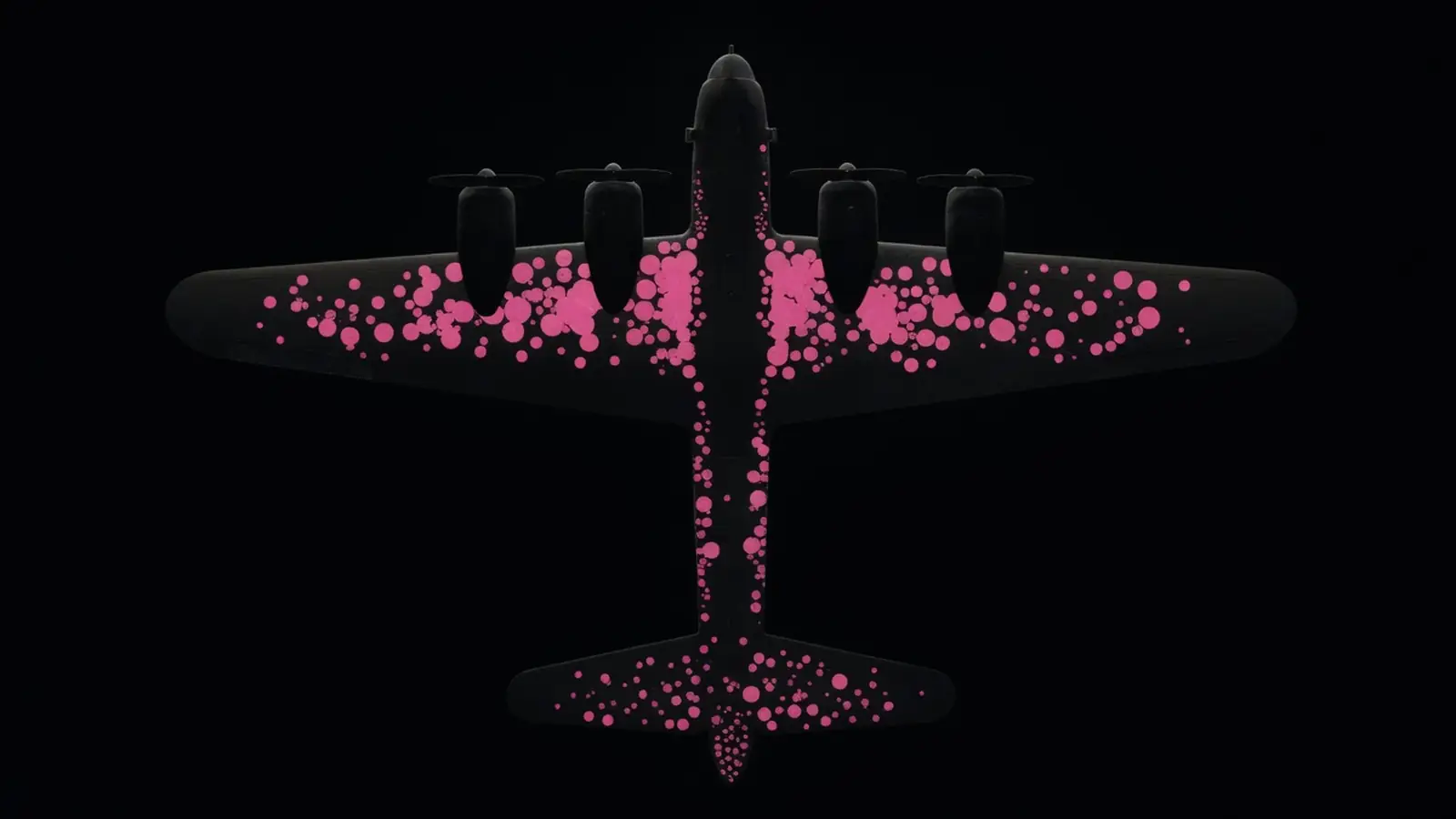
Survivorship bias overstates the typical mutual fund's reported returns by roughly 1.6 percentage points a year, according to the University of Chicago's Center for Research in Security Prices: surviving U.S. stock funds averaged 8.8 percent over the decade ending 2003, while counting...
In a set of experiments published in 2011, people who assembled a plain IKEA storage box valued it 63 percent higher than an identical prebuilt one. The IKEA effect, named by the researchers who ran that study, is the bias that makes you overvalue what you built yourself. It quietly...
Give people a felt safety margin and many of them spend it. Risk compensation shows up in ABS brakes, MFA, and backup tools alike. The fix is to build so protection is invisible and cannot be traded away.
In a randomized colonoscopy trial, a longer, gentler-ending procedure was remembered as less unpleasant. That is the peak-end rule: memory is built from the peak and the end, not the average. Here is how to design both on purpose.
The whole industry optimizes to remove friction. But the case for friction is that a deliberate pause, a verification step, a rate limit, a cooling-off window, filters bots and bad actors, cuts regret and fraud, and protects the user.
Goodhart's Law says when a measure becomes a target it stops being a good measure. Here is why small teams accidentally reward the number instead of the outcome, and how to build metrics that resist gaming.
In a famous experiment, owners demanded twice what buyers would pay for the same mug. That's the endowment effect, and it quietly distorts the cloud versus self-hosting decision in both directions. The fix is to decide as if you owned neither option.
Imagining that a project has already failed raises a team's ability to correctly identify the reasons for a future outcome by about 30 percent, according to research by Deborah Mitchell, Jay Russo, and Nancy Pennington published in the Journal of Behavioral Decision Making. That single...