
Your Lockfile Is a Threat Surface
Sonatype counted 1.23 million malicious packages. Your lockfile security posture determines whether those packages reach production or stop at the gate. The dependency layer is the attack surface now.



The June 2026 AUR supply chain attack (Atomic Arch) hijacked about 1,500 abandoned packages without a single exploit. It did not steal a password. It stole trust. A CEO's view on why the answer is verification and stewardship, not retreat.
The AUR supply chain attack of June 2026 did not steal a password or break an exploit. It stole trust. Attackers quietly took over roughly 1,500 abandoned Arch Linux community packages and inherited the confidence developers had placed in them for years. A stolen key you can replace in an afternoon. The quiet certainty that a tool is still the tool you think it is, you cannot.
I am Amelia Gagne, CEO of Kief Studio. I am not going to write the technical breakdown of the incident, because my team already has, and I will point you to it. I want to talk about the thing underneath the technical story, because it is the thing I think about as a leader: what was actually taken here was trust, and trust is the one asset you cannot rotate.
In mid-June, attackers took over roughly 1,500 community software packages on Arch Linux and used them to quietly harvest developers' credentials: SSH keys, login sessions, access tokens, the digital keys to people's work. Sonatype researchers, who surfaced the campaign on June 11, named it Atomic Arch and track it as Sonatype-2026-003775 with a CVSS score of 8.7. The official Arch distribution was never affected. The damage lived entirely in the community repository.
The detail that stopped me was not the malware. It was the method. Nobody was hacked. There was no broken password, no clever zero-day. The attackers used a completely legitimate feature: when a volunteer who maintains a piece of free software walks away, the community lets someone else adopt it. That is a beautiful thing. It is how open source keeps living after the original author moves on. The attackers adopted orphaned packages that people had trusted for years, then changed only the build instructions, never the visible code, and turned that inherited trust into a weapon. This is the core mechanic of how supply chain attacks actually work: the risk rides in on something you already trusted.
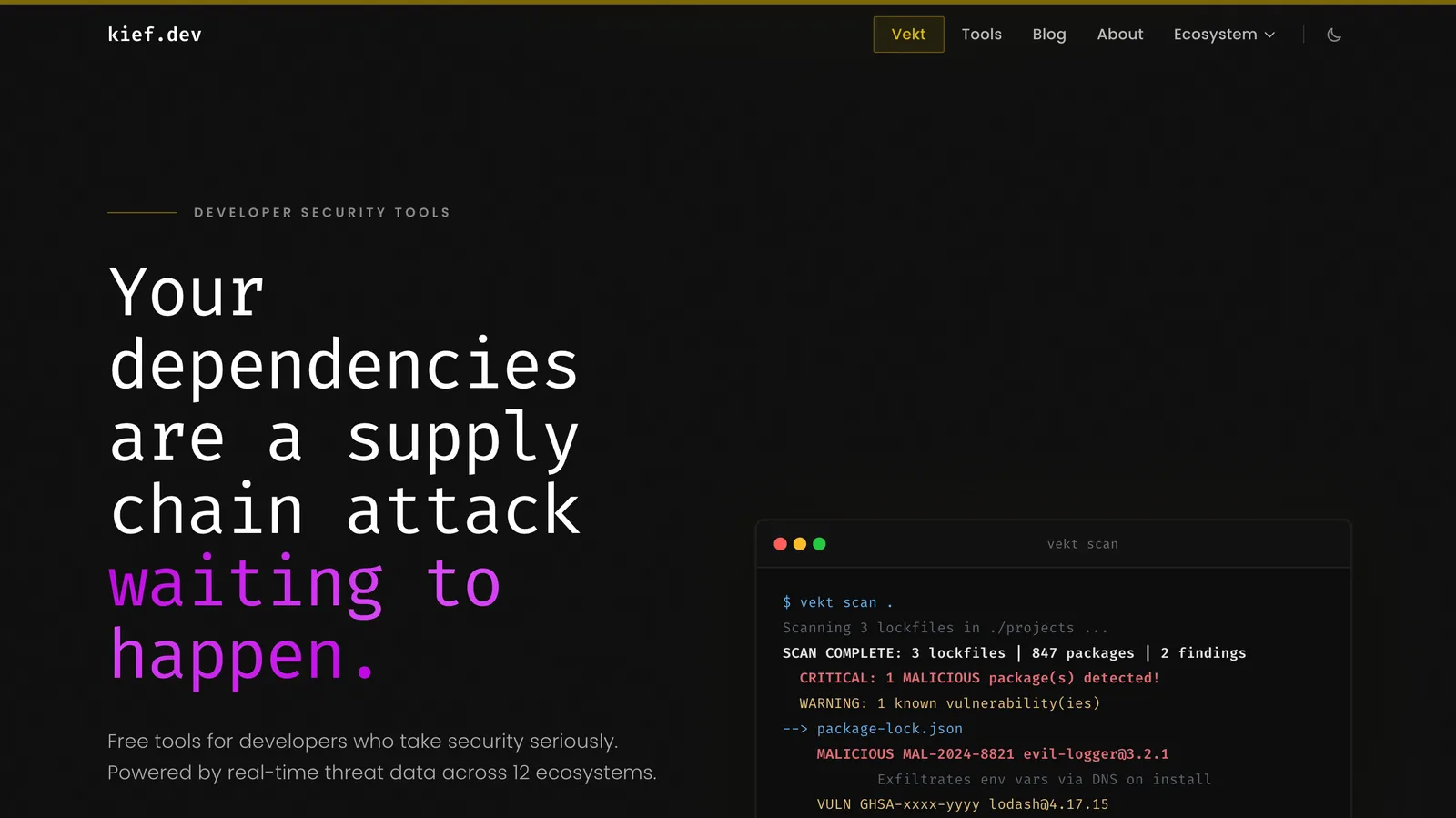
The scale is not an anomaly. Sonatype's 10th annual State of the Software Supply Chain report documented a 156% year-over-year jump in malicious open-source packages, with more than 704,000 identified since 2019. The Atomic Arch campaign is one expensive data point in a line that has been climbing for years. Your dependencies, and the lockfile that pins them, are now part of your attack surface whether you treat them that way or not.

It is easy, when something like this happens, to reach for the cynical conclusion: open communities are too risky, lock everything down, only use what you pay a vendor for. I understand the instinct. I think it is wrong, and I think leaders set the tone on whether their organizations learn the right lesson or the fearful one.
Here is the reframe I would offer. Trust is not naivety. Unverified trust is. The open-source model is not broken because it runs on community goodwill. It is incomplete when the goodwill is not paired with verification. The maintainers who built those 1,500 packages did good work. The community that adopts orphaned tools is doing something generous and necessary. What was missing was a layer that checks what is actually in the box before you open it, independent of who is holding it this week.
That distinction matters for how you run a company, too. We extend trust to vendors, contractors, dependencies, and tools constantly. We have to, or nothing ships. The job of leadership is not to stop trusting. It is to make verification cheap and habitual enough that trusting is not a gamble. That is the same instinct behind the questions worth asking your vendors and behind understanding what a vendor's security posture actually means for you. Verification is not suspicion. It is respect for the people whose work you depend on.
Our company principle is that we help good people do good things. Incidents like this are a test of whether that is a slogan or a practice. A few principles I hold my team to, and that I would offer to any leader watching this unfold:

If you want the institutional version of this, the government has already written it down. The NIST Secure Software Development Framework (SP 800-218) and the broader NIST Cybersecurity Supply Chain Risk Management program both land on the same idea: provenance and verification belong in the build, not in a quarterly audit you run after something breaks. That is the same philosophy we hold internally, that compliance is a side effect of how you build rather than a layer you bolt on at the end.
The practical version is not complicated. Know what is in your dependencies. Treat a freshly adopted package, or one that suddenly grows new install hooks, with the same caution you would give a stranger. Check artifacts against public reputation data before you run them. None of that requires fear. It requires prevention habits that cost a fraction of recovery, which is the whole argument for designing verification in from the start.
If you lead a team that builds with software, and at this point that is nearly everyone, this incident is a small, clear lesson wearing a technical costume. The trust you place in your tools, your suppliers, and your dependencies is necessary and good. It just cannot be the only control. Pair it with verification cheap enough to actually use, default to caution when you are unsure, and treat the people in your supply chain, maintainers and vendors and contributors alike, as partners worth protecting rather than risks to eliminate.
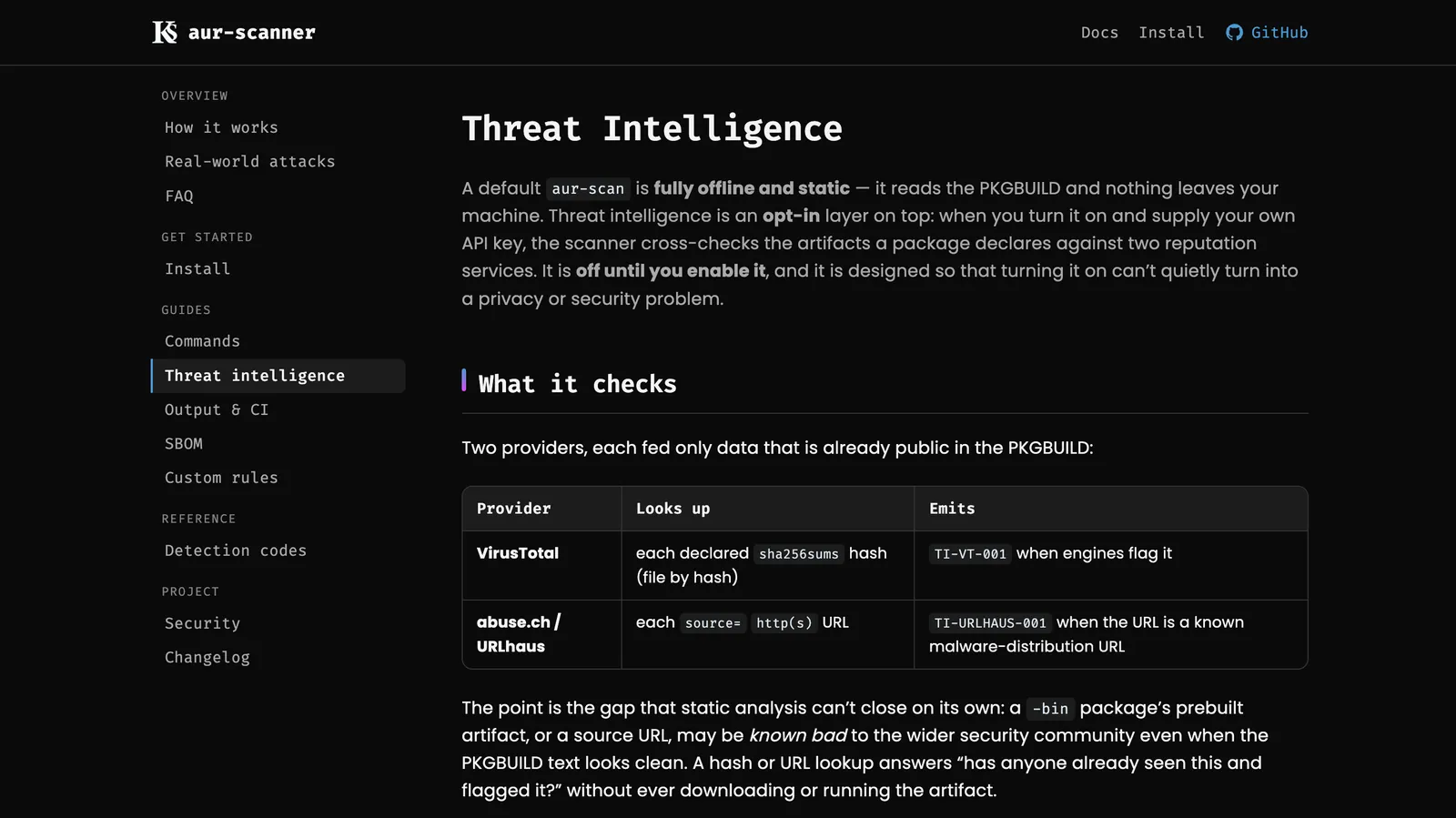
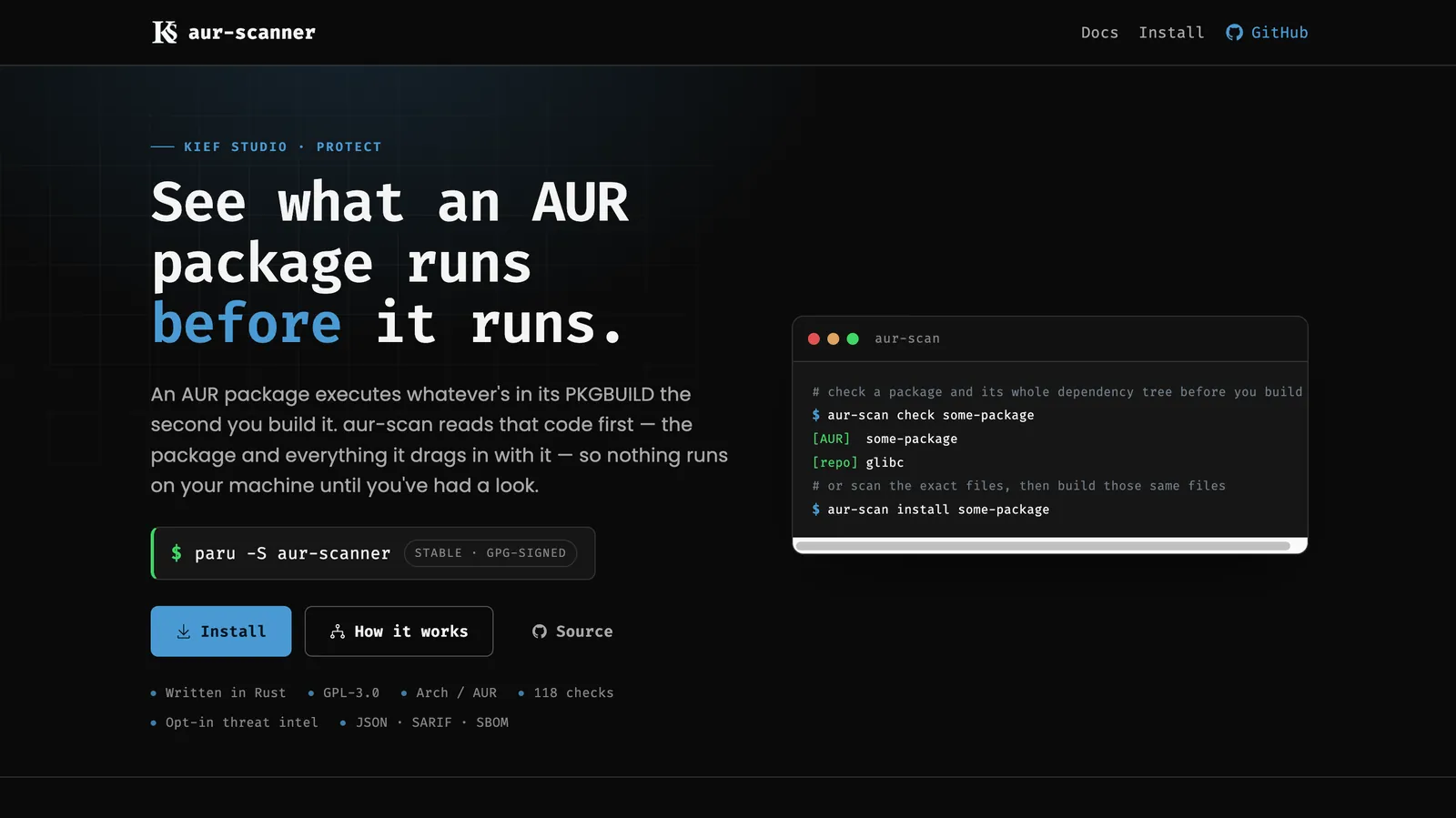
That is not a security strategy so much as a way of being trustworthy in a world that runs on borrowed trust. The technical layer is just where it gets implemented. If you want the practical, hands-on version of all this, my team has it covered, and the tool that does the verifying is free for anyone who wants it.
The AUR supply chain attack, named Atomic Arch, was a June 2026 campaign in which attackers took over roughly 1,500 abandoned Arch User Repository packages and modified their build scripts to install credential-stealing malware. Sonatype surfaced it on June 11, 2026 and tracks it as Sonatype-2026-003775. The official Arch Linux distribution was not affected.
They did not exploit anything. They used a legitimate feature: the community process that lets a volunteer adopt an orphaned package when the original maintainer steps away. By adopting trusted but abandoned packages and changing only the build instructions, the attackers inherited years of accumulated trust without tripping the warning signs people rely on.
That trust is necessary but cannot be your only control. The right response is not to retreat from open source. It is to pair trust with verification that is cheap and habitual enough to actually use, and to treat the maintainers and vendors in your supply chain as partners worth protecting.
Yes. Kief Studio maintains a free, open-source AUR scanner that checks installed packages against the known-bad set and against public reputation data. It is free and stays that way.
No. Open source is not broken because it runs on community goodwill. It is incomplete when that goodwill is not paired with verification. Frameworks like the NIST Secure Software Development Framework exist precisely so that provenance and verification can be built into how you ship rather than bolted on afterward.
The deeper material from our team: a hands-on guide for Arch users, a business-risk breakdown for teams running Linux, and our CTO Brian Gagne on the engineering of detecting an attack that uses no exploit.
The free scanner: github.com/KiefStudioMA/ks-aur-scanner. Kief Studio helps good people do good things.
Sources: Arch Linux advisory and Sonatype: Atomic Arch.
Sonatype counted 1.23 million malicious packages. Your lockfile security posture determines whether those packages reach production or stop at the gate. The dependency layer is the attack surface now.
Your vendor's security posture is part of your security posture. When they have access to your systems, their vulnerabilities become yours.
AI can draft your emails, power your chat, and handle FAQs. But if customers can tell, you've lost more trust than you've saved time.
Work With Us
Kief Studio builds, protects, automates, and supports full-stack systems for businesses up to $50M ARR.
Newsletter
Strategy, psychology, AI adoption, and the patterns that actually compound. No spam, easy to leave.
Subscribe